
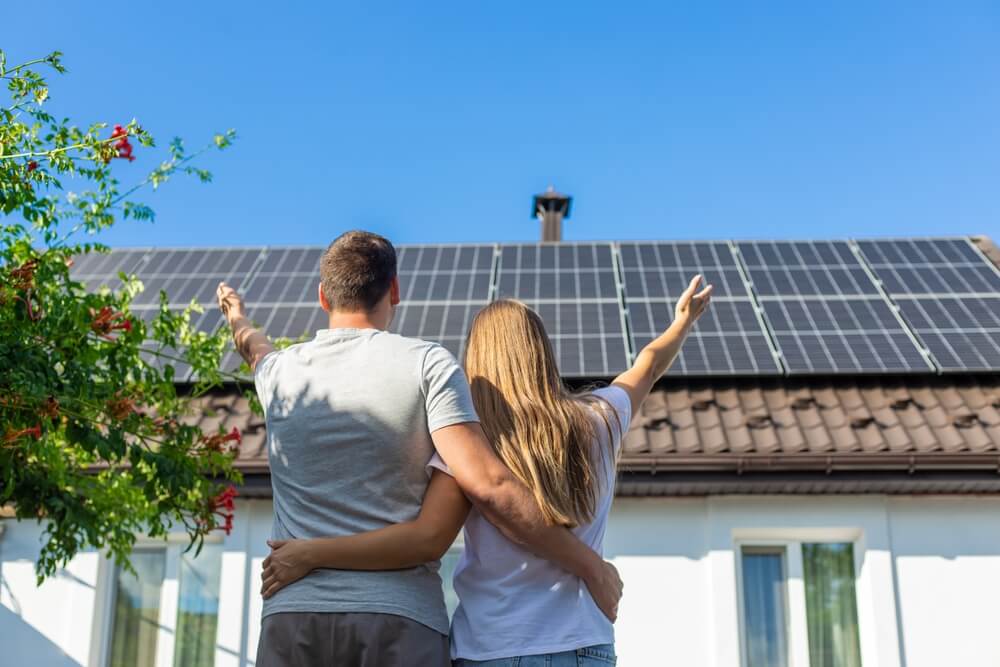
Before you sign a solar contract in South Carolina, do yourself one favor: check your roof's age first. Thousands of Lowcountry homeowners get excited about solar savings — and they should — but skipping the roof pre-check can turn a smart investment into a costly mistake. The financial decision isn't just "can I afford solar?" It's "can my roof afford to support solar for the next 25 years?" Here's how to find out.
South Carolina is one of the best states in the country for solar energy. With roughly 215 sunny days per year, a 25% state solar tax credit, and one of the most favorable net metering policies in the Southeast, it's no wonder homeowners across Charleston, North Charleston, Mount Pleasant, Summerville, and Goose Creek are calling solar companies in record numbers.
But there's a question most solar salespeople won't ask you — and one that could cost you thousands of dollars down the road: How old is your roof, and is it structurally ready to carry a solar system for the next three decades?
As a GAF Master Elite Roofing Contractor and GAF Energy Solar Certified installer serving the Charleston Tri-County Area, Big Bear Roofing sits at a unique intersection of both trades. We see this situation every week: homeowners ready to go solar, only to discover their roof needs attention first. This guide gives you the honest financial pre-check you need before any solar company shows up at your door.
Why Roof Age Is a Solar Financial Decision, Not Just a Roofing One
Here's the issue in simple terms: solar panels are mounted directly onto your roof deck with penetrations and lag bolts. Once they're up, they're designed to stay up for 25 to 30 years. That's fantastic — if your roof can keep pace. But if your roof is already 15 years old when the panels go on, you're almost certainly going to need a roof replacement before those panels reach the end of their useful life.
And when that happens? Every single panel has to come down before the roofing crew can even start. Then they have to go back up. That removal and reinstallation process is not covered by most solar warranties, and it isn't cheap.
Removing and reinstalling a standard residential solar array can run $2,000 to $6,000 or more, depending on system size — and that's on top of whatever your roof replacement costs. For a typical 19-panel array, plan on roughly $255–$275 per panel in removal and reinstallation fees alone.
The South Carolina Energy Office is direct about this: if a roof is more than 15 years old, homeowners should seriously consider replacing it when purchasing a solar system. The reason is straightforward — most solar vendors recommend using roofing material that will last as long as the system itself, approximately 25 to 30 years.
The Roof Age vs. Solar Readiness Framework for SC Homeowners
Not every roof that's "old" needs to be replaced before going solar. And not every newer roof is automatically solar-ready. Here's a practical framework used by roofing and solar professionals to assess where you stand:
| Roof Age | Condition | Recommendation | Solar Readiness |
|---|---|---|---|
| 0–5 Years | No damage or leaks | Proceed with solar installation | GO |
| 5–10 Years | Good condition, minor wear | Professional inspection recommended | LIKELY GO |
| 10–15 Years | Varies widely | Inspection required — may need repairs or replacement | INSPECT FIRST |
| 15–20 Years | Approaching end of life | Strong recommendation to replace before solar | REPLACE FIRST |
| 20+ Years | Near or past life expectancy | Replace roof first — do not install solar on aging substrate | REPLACE FIRST |
Keep in mind that South Carolina's climate adds an additional variable. The Lowcountry's high humidity, intense UV exposure, heavy rain seasons, and hurricane activity all accelerate shingle degradation. A roof that might have 5 more years in a mild northern climate could be down to 2–3 years in coastal Charleston conditions. This is exactly why a professional inspection — not just a glance from the driveway — is non-negotiable.
What a Solar-Ready Roof Actually Needs to Have
Age is one factor, but structural integrity is what truly determines whether your roof can safely and reliably support a solar installation. During a professional solar-readiness roof inspection, a certified contractor will evaluate three critical areas:
1. Surface Condition
Inspectors look for missing, curled, or cracked shingles, excessive granule loss that exposes the asphalt backing, brittle underlayment, and any visible signs of wear that indicate the roofing material is nearing the end of its functional life.
2. Structural Integrity
Solar panels add 3 to 5 pounds per square foot to your roof's load. While this is typically within building code limits, roofs with weakened sheathing, cracked rafters, soft spots, or sagging decking can become a structural safety issue once panels are mounted and weather events apply additional force.
3. Water Management Systems
Solar installation requires roof penetrations — and every penetration is a potential leak point. Inspectors verify that all flashing, valleys, gutters, and drainage systems are in sound condition. Degraded flashing around chimneys, skylights, or vents dramatically increases the risk of moisture intrusion once lag bolts are driven through the deck.
- Roof is 15 years old or younger (or recently inspected and certified)
- No missing, curling, or heavily granule-depleted shingles
- Roof decking is solid — no soft spots, rot, or sagging
- Rafters and structural framing are sound and load-bearing capable
- All flashing is intact and properly sealed
- No active leaks or evidence of moisture intrusion in attic
- South-facing or southwest-facing roof sections with minimal shading
- At least 75–100 sq ft of unshaded roof space per kW of planned capacity
The True Cost Comparison: Replace Now vs. Replace Later
One of the most common objections we hear is: "I don't want to spend money on a new roof right now when I'm already spending money on solar." It's a completely valid concern. But let's run the actual numbers for a Charleston-area homeowner:
Install Solar Now on Old Roof
- Solar installation: $27,000–$37,000
- Roof fails in 5–7 years
- Panel removal: $2,000–$6,000
- Roof replacement: $8,000–$14,000
- Panel reinstallation: included above
- Lost energy production during work
- Possible warranty complications
Replace Roof + Install Solar Together
- Roof replacement: $8,000–$14,000
- Solar installation: $27,000–$37,000
- Bundled labor savings: up to $2,000
- One financing arrangement
- Both systems age together for 25–30 yrs
- No future removal/reinstall fees
- Full warranty protection on both
The math is clear. Replacing your roof first — or bundling it with your solar project — almost always costs less over the 25-year lifespan of your solar system than gambling on an aging roof and paying dearly for it later.
The Best Roofing Materials for Solar in Coastal South Carolina
If you do decide to replace your roof before going solar — or bundle the two projects — choosing the right roofing material can maximize both your solar performance and your long-term protection in SC's demanding coastal climate.
Asphalt Shingles (GAF Timberline Series)
Still the most common roofing material in South Carolina, asphalt shingles offer a 20–30 year lifespan that closely matches solar panel longevity. GAF's Timberline HDZ® shingles feature StainGuard Plus Time-Release Technology and a Class 4 impact resistance rating — critical for Lowcountry storm season. The GAF Timberline Solar™ shingle is the world's first nailable solar shingle, integrating solar generation directly into the roofing material itself for a completely seamless look.
Metal Roofing
For homeowners planning a long-term investment, metal roofing is arguably the best solar-compatible option in coastal SC. A standing seam metal roof lasts 40 to 70 years — potentially outlasting two full solar system lifecycles. Standing seam panels allow solar clamp-on mounting systems that require zero roof penetrations, eliminating leak risk entirely. Metal roofing is also exceptional at shedding wind-driven rain and resisting hurricane conditions that regularly threaten the Charleston area.
Big Bear Roofing is one of the only contractors in the Charleston Tri-County Area that is simultaneously a GAF Master Elite Roofing Contractor, a GAF Energy Solar Certified installer, and a GAF President's Club Award winner. That means your roof replacement and solar installation happen under one unified project plan — not two separate contractors with conflicting schedules and warranties.
What About South Carolina's Solar Tax Incentives?
South Carolina offers some of the most compelling solar financial incentives in the Southeast. Understanding how they apply to a bundled roof-and-solar project helps you make a smarter financial decision.
The federal Investment Tax Credit (ITC) allows you to deduct a significant percentage of your solar installation costs from your federal taxes. It's important to note that the solar tax credit applies to the solar installation portion of your project, not general roof replacement. However, roofing work done specifically to support the solar installation — such as structural reinforcement — may qualify. Consult a tax professional for your specific situation.
South Carolina also offers a 25% state solar energy tax credit (up to $3,500 per year or up to $35,000 over 10 years), net metering through most utilities, and property tax exemptions for the added home value from solar installations. When you factor in these incentives on top of bundled labor savings, replacing your roof and going solar together becomes one of the highest-ROI home improvements available to South Carolina homeowners.
Federal solar incentive structures have been subject to legislative changes. Contact Big Bear Roofing for the most current information on applicable federal and state solar tax credits available to Charleston-area homeowners in 2026 before making your project decision.
Why Charleston-Area Homeowners Need a Local Expert — Not Just a Solar Company
Here's something many national solar companies won't tell you: they're in the business of selling solar systems, not assessing roofs. A solar sales rep who identifies roof problems is a solar sales rep who might lose the deal. That creates a structural conflict of interest.
Working with a company like Big Bear Roofing — one that holds both roofing and solar certifications — gives you an honest assessment of what your roof actually needs. Our free drone roof inspections identify issues invisible from the ground: hidden moisture pockets, micro-fractures in decking, early flashing failure, and structural vulnerabilities that would compromise a solar installation and void warranties.
We serve homeowners throughout Charleston County, Dorchester County, and Berkeley County — including North Charleston, Mount Pleasant, Summerville, Goose Creek, Hanahan, Moncks Corner, and Ladson. Our team understands what Lowcountry weather does to roofing systems over time, and we give you a clear, unbiased answer: replace now, repair first, or proceed confidently with solar.
Frequently Asked Questions
Can you install solar panels on an old roof in South Carolina?
Yes, but it depends on the roof's remaining lifespan and structural condition. South Carolina's humid climate and hurricane season accelerate roof aging. If your roof has less than 10–12 years of useful life remaining, replacing it before solar installation is almost always the smarter financial decision. The South Carolina Energy Office specifically recommends replacement if your roof is more than 15 years old.
How old is too old for a roof to have solar panels installed?
Most experts and the South Carolina Energy Office recommend that if your roof is more than 15 years old, you should strongly consider replacing it before adding solar. Solar systems last 25–30 years, and a roof with only a few years of life left will need to be replaced mid-solar-lifecycle — requiring costly panel removal and reinstallation averaging $2,000–$6,000.
How much does it cost to remove and reinstall solar panels when replacing a roof?
Removing and reinstalling solar panels typically costs between $2,000 and $6,000, depending on system size and complexity. For a standard 19-panel array, expect roughly $255–$275 per panel in labor fees alone — on top of the full cost of your new roof. This cost is rarely covered by solar system warranties.
Does replacing my roof and installing solar at the same time save money?
Yes. Bundling a roof replacement with solar installation in South Carolina can reduce overall labor costs, eliminate future panel removal fees, and allow you to finance both projects together under one arrangement. It also ensures your new solar system sits on a structurally sound roof that can support it for its full 25–30 year lifespan with no interruptions.
What roof types are best for solar panels in Charleston, SC?
Asphalt shingles and standing seam metal roofs are the most solar-compatible materials. Metal roofing is especially popular in coastal South Carolina for its storm resistance, 40–70 year longevity, and compatibility with clamp-on solar mounting systems that require zero roof penetrations. GAF Timberline Solar™ shingles are also an integrated option offered by Big Bear Roofing for a seamless solar-roof combination.
Will the federal solar tax credit apply if I also replace my roof?
The federal Investment Tax Credit (ITC) applies to the solar installation portion of your project. General roof replacement costs typically do not qualify. However, structural roofing work done specifically to support the solar system may partially qualify. Always consult a licensed tax professional for guidance specific to your South Carolina tax situation and current federal rules.
How do I know if my roof is structurally ready for solar panels?
A professional roof inspection is the only reliable way to assess solar readiness. Inspectors check for deteriorating shingles, sagging decking, weak rafters, compromised flashing, and moisture damage. Big Bear Roofing offers free drone roof inspections throughout the Charleston Tri-County Area — including North Charleston, Mount Pleasant, Summerville, Goose Creek, and Dorchester and Berkeley Counties — to determine your roof's solar readiness before any solar company visits.
Does Big Bear Roofing do both roof replacement and solar installation in South Carolina?
Yes. Big Bear Roofing is a GAF Master Elite Roofing Contractor and a GAF Energy Solar Certified installer — one of the few companies in the Charleston area qualified to handle both roof replacement and solar installation under one unified project. They serve Charleston, Dorchester, and Berkeley Counties in South Carolina and offer financing options to make bundled projects accessible. Call 843-544-9537 or visit bigbearrfg.com to schedule your free inspection.
Is Your Charleston Roof Solar-Ready? Find Out Free.
Before you commit to a solar contract, let Big Bear Roofing's certified team give your roof a free drone inspection and honest solar-readiness assessment. We'll tell you exactly where you stand — no pressure, no surprises.