
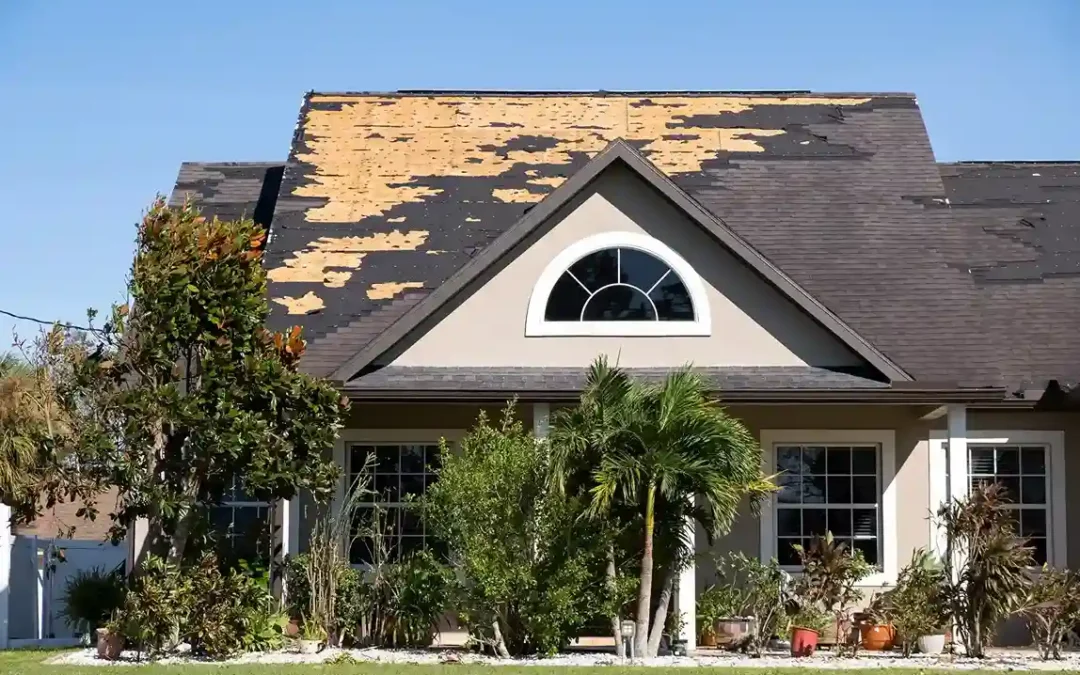
Every minute after a storm counts. South Carolina homeowners who follow a step-by-step post-storm roof inspection checklist — and document damage correctly — are far more likely to receive full insurance claim payouts. Skip these steps, and your insurer has every legal reason to deny or underpay. This guide puts you in control.
South Carolina is no stranger to violent weather. From the hurricane-force winds that batter Charleston’s coastline to the inland hailstorms that crack shingles in Summerville, Goose Creek, and North Charleston, Lowcountry homeowners face storm threats almost year-round. And yet, most roof insurance claims in SC are weakened — or outright denied — not because the damage wasn’t real, but because homeowners didn’t know what to do in the 48 hours immediately after the storm passed.
Why Post-Storm Roof Inspections Matter More in South Carolina
South Carolina sits in one of the most storm-vulnerable corridors in the United States. The Charleston metro and surrounding Lowcountry counties are exposed to Atlantic hurricane systems, tropical storms, and frequent severe convective weather — including large hail and damaging straight-line winds. According to the NOAA Storm Events Database, South Carolina consistently ranks among the top 10 states for wind and hail damage events.
What makes the post-storm window so critical in SC is the combination of two factors: the state’s humid coastal climate accelerates hidden water damage inside roofing systems, and South Carolina insurance policies frequently carry separate wind/hurricane deductibles that require careful damage documentation to satisfy. Miss the filing window or fail to document damage properly, and you could face a denied claim — regardless of how severe the storm was.
48–72 hrs
U.S. storm damage in 2024 — insurers are scrutinizing claims more than ever
~$160B
U.S. storm damage in 2024 — insurers are scrutinizing claims more than ever
ACV vs RCV
Your SC policy type can mean thousands of dollars difference in claim payout
Before You Step Outside: Immediate Post-Storm Safety Steps
The checklist begins before you even open your front door. Safety is the non-negotiable first step — and rushing outside before conditions are safe can create additional insurance and liability problems.
⚠ Safety Warning
Never climb onto your roof immediately after a storm. Wet shingles, hidden structural damage, and downed power lines create serious fall and electrocution risks. Conduct your initial assessment safely from the ground.
1. Confirm storm passage and power line safety
Check with local emergency management (Charleston County OEM, Dorchester County Emergency Management) that conditions are stable before exterior inspection.
2. Document the storm event with date and time
Note the exact date, time, and nature of the storm. Screenshot local weather alerts or radar maps. Your insurer will need to tie the damage to a specific weather event — this timestamp becomes evidence.
3. Locate your homeowners insurance policy
Identify your deductible type (flat dollar or percentage), coverage type (ACV vs. RCV), and your insurer’s claim notification window. In SC, most policies require prompt notification — ideally within 24–48 hours.
Step-by-Step Ground-Level Roof Inspection Checklist
Your first inspection is a ground-level visual survey. Walk the full perimeter of your home — all four sides — with your phone camera ready. Use binoculars for a closer look at the roof surface if needed. You are looking for any of the following storm damage signs:
4. Check for missing, curled, or displaced shingles
High winds — common in SC coastal storms — can strip entire sections of asphalt shingles. Look for exposed dark roof decking, lifted shingle tabs, or shingle debris in your yard.
5. Inspect gutters and downspouts for hail dents and granule accumulation
Dented aluminum gutters are one of the clearest signs of hail impact. Excessive granule buildup in gutters after a storm means your shingle coating has been compromised — even if shingles look intact from ground level.
6. Look for displaced or cracked ridge caps and hip caps
These are the most exposed parts of your roof. Use binoculars to check for lifted edges, cracks, or missing sections along the ridge line. Damaged ridge caps allow water intrusion at the highest point of your home.
7. Check flashing around chimneys, skylights, and vents
Metal flashing can crack, separate, or blow away during high-wind events. Compromised flashing is a primary entry point for water and a common cause of denied claims when overlooked.
8. Document fallen tree limbs, debris, or impact points on the roof
Photograph any debris on or near your roof from multiple angles. Include a reference object (e.g., a ruler or pen) next to impact areas to show scale in your photos.
9. Inspect flat surfaces — decks, patios, AC units — for hail impact evidence
Hail damage to soft metals on your AC unit, patio furniture, or wooden decks corroborates roof hail damage to your insurance adjuster even before the roof is climbed.
Interior Inspection: What to Check Inside Your Home
Some of the most important storm damage indicators are found inside your home — not on the roof. SC’s high humidity means water intrusion from a compromised roof can cause serious secondary damage within days. Don’t skip this step.
10. Inspect your attic with a flashlight
Look for daylight penetrating the roof deck, fresh water stains, wet insulation, mold growth, or streaking along rafters. These are signs of active or recent water infiltration from storm damage.
11. Check ceilings and upper walls for water stains or bubbling paint
New staining — especially in bedrooms directly under roof slopes — indicates active leaks. Photograph with the date visible (e.g., via your phone’s timestamp) and compare to pre-storm photos if available.
12. Check light fixtures and ceiling fans for moisture or dripping
Water entering through the roof can migrate to electrical fixtures, creating both damage and safety hazards. Document any moisture near ceiling wiring or junction boxes and avoid using affected fixtures until inspected.
Types of Roof Storm Damage Common in South Carolina
South Carolina’s climate creates specific storm damage patterns that differ from interior U.S. states. Understanding what to look for helps you document the right evidence for your insurance claim.
🌀 Wind Uplift Damage
Hurricane-speed and tropical storm winds cause shingle tab lift, seal breaks, and full sections of shingles detaching. Common in Charleston and coastal areas during hurricane season (June–November).
🌨 Hail Impact Damage
Hailstones leave bruising, pockmarks, and granule loss on asphalt shingles. Hail damage accelerates shingle deterioration and UV exposure — and may not cause leaks immediately, making it easy to miss.
💧 Water Ponding (Flat Roofs)
Commercial and flat residential roofs in the Tri-County area can accumulate standing water after heavy SC rainfall. Sustained ponding degrades roofing membranes and seals.
🌿 Debris Impact
South Carolina’s mature tree canopy means fallen branches and airborne debris are frequent culprits. Impact damage can puncture underlayment or crack shingles without obvious external signs.
How to Document Damage for Your SC Insurance Claim
Insurance adjusters are paid to look for reasons to minimize a payout. Your documentation is your defense. Follow these documentation steps precisely — they can be the difference between a full replacement and a partial repair settlement.
13. Photograph all four sides of your roof from multiple angles
Use wide-angle shots to show the overall condition, and close-ups to capture specific damage. Ensure your phone’s location and timestamp data are enabled.
14. Record a narrated video walkthrough of your property
Walk around the exterior while narrating what you see — “north side, missing three shingles above the garage, large branch impact near the chimney.” Video captures context that static photos miss.
15. Write a written damage log with locations and descriptions
Use directional references: “West-facing slope, approx. 8 ft from ridge, 6–8 shingles missing.” Specific descriptions prevent adjusters from minimizing the scope of damage.
16. Save all storm-related weather records and alerts
Download National Weather Service storm reports, save local news storm coverage, and preserve any emergency alerts received. These establish the storm as a qualifying event under your policy.
💡 Pro Tip: Call a Professional Before Your Insurer
Experienced South Carolina homeowners and real estate attorneys consistently recommend getting a professional roofing inspection and report before contacting your insurance company. A professional contractor’s documented findings — with photographs and a detailed repair estimate — give your claim far more weight than self-reported damage alone. Big Bear Roofing provides free post-storm inspections throughout Charleston, Summerville, Goose Creek, North Charleston, Mount Pleasant, and the surrounding Tri-County area.
Filing Your South Carolina Roof Insurance Claim: Step-by-Step
Once you have documented damage and obtained a professional inspection report, follow these steps to file your claim correctly under South Carolina insurance law.
17. Notify your insurer promptly — ideally within 24–72 hours
Most SC homeowners policies require “prompt notification” of damage. While SC law typically allows up to one year to file, early notification establishes a clear timeline and protects your right to coverage.
18. Understand your deductible type before the adjuster arrives
South Carolina coastal properties often carry a separate wind/hurricane deductible — typically 1–5% of your dwelling’s insured value — that applies instead of your standard deductible during qualifying storm events.
19. Have your professional roofer present during the insurance adjuster visit
A licensed SC roofing contractor who walks the roof with the adjuster can point out damage that is commonly missed or minimized — including hail bruising on shingles, hidden flashing damage, and compromised underlayment.
20. Review your claim settlement carefully before accepting
If your insurer offers a settlement that doesn’t cover full replacement cost, you have the right to request a re-inspection, submit supplemental documentation, or dispute the finding. Big Bear Roofing can assist with the entire claims process at no additional cost to you.
ACV vs. RCV: Understanding Your SC Roof Coverage Type
One of the most consequential decisions you may not have known you were making when you bought your homeowners policy is whether it covers your roof under Actual Cash Value (ACV) or Replacement Cost Value (RCV).
Actual Cash Value (ACV) reimburses you for your roof’s depreciated value. If your roof is 15 years old and ACV coverage applies, you may only receive 40–60% of the replacement cost — leaving you to pay thousands out of pocket. Replacement Cost Value (RCV) pays what it costs today to replace your damaged roof with comparable materials, minus your deductible. For most SC homeowners, RCV coverage is the smarter long-term investment.
✅ Action Step
Pull out your insurance policy and look for the words “ACV” or “RCV” in the dwelling coverage section. If you’re unsure which applies to your roof, call your agent and ask directly. If you’re on ACV, ask about the cost to upgrade before the next storm season begins.
South Carolina’s Department of Insurance provides consumer guidance on policy types and your rights as a policyholder — a valuable resource if you believe your claim has been unfairly handled.
Big Bear Roofing’s insurance claim assistance service is available to every homeowner we inspect — we help you understand your coverage and navigate the entire process from inspection through final repair or replacement.
Choosing a Trustworthy SC Roofing Contractor After a Storm
After major storms in Charleston, Dorchester, and Berkeley Counties, out-of-state storm chasers flood the area offering “free inspections” and quick insurance settlements. These opportunistic contractors take your insurance check and disappear — often doing substandard work or no work at all. Here’s how to protect yourself:
✓ Verify SC contractor licensing
South Carolina requires roofing contractors to hold a valid state license. Verify any contractor at the SC Labor, Licensing and Regulation (LLR) website before signing anything.
✓ Look for manufacturer certifications like GAF
GAF certification requires contractors to meet rigorous standards of training, licensing, and insurance. Big Bear Roofing is GAF-certified, which also means our customers qualify for the Lifetime Roof Replacement Warranty — a significant long-term protection unavailable from uncertified contractors.
✓ Check BBB accreditation and local reviews
Big Bear Roofing is BBB-accredited and has served the Charleston, SC area with a physical office at 4500 Leeds Ave., Suite 200 W. We’re a local team — not a storm chaser — and we’ll be here long after the storm season ends.
Big Bear Roofing Serves the Entire SC Tri-County Area
Our post-storm inspection and insurance claim assistance services cover all of Charleston County, Dorchester County, and Berkeley County — including the following communities:
Charleston · North Charleston · Mount Pleasant · Summerville · Goose Creek · Hanahan · Moncks Corner · Ladson · James Island · Johns Island · Isle of Palms · Sullivan’s Island · Folly Beach · Walterboro
Explore our dedicated service pages for roof repair and replacement in Charleston, SC, roofing services in Summerville, and roofing contractor services in Mount Pleasant.
Frequently Asked Questions: SC Roof Inspections & Insurance Claims
How soon should I inspect my roof after a storm in South Carolina?
Conduct a ground-level visual inspection within 24 hours when safe to do so, and schedule a professional roof inspection within 48–72 hours. This window creates a clear, documented timeline connecting storm damage to the specific weather event — which is critical for SC insurance claims.
Will my SC homeowners insurance cover storm roof damage?
Most standard South Carolina homeowners policies (HO-3 format) cover sudden storm damage from wind, hail, and hurricanes. However, SC coastal properties often have a separate wind/hurricane deductible. Coverage can be denied for pre-existing damage, neglect, missed deadlines, or failure to document the damage properly.
What is the deadline to file a roof insurance claim after a storm in SC?
South Carolina law generally allows up to one year from the storm date to file a formal claim, but most insurers require prompt notification — often within 24–72 hours of discovering damage. Filing quickly protects your claim and prevents denial based on delayed reporting.
What roof damage is NOT covered by insurance in South Carolina?
SC insurance policies typically exclude damage from normal wear and tear, improper installation, long-term neglect, pre-existing deterioration, and mold caused by slow, ongoing leaks. Maintaining your roof properly and documenting its condition annually helps distinguish legitimate storm damage from these exclusions.
Should I get a professional inspection before calling my insurance company?
Yes — always. An independent professional inspection from a licensed SC roofing contractor gives you documented evidence of damage before the insurance company’s adjuster visits. This protects against underpayment and gives you a second opinion to dispute a low settlement offer.
What is the difference between ACV and RCV roof coverage in SC?
Actual Cash Value (ACV) pays the depreciated value of your roof — so a 15-year-old roof may only receive 40–60% of replacement cost. Replacement Cost Value (RCV) covers the full current cost to replace your roof with similar materials, minus your deductible. RCV coverage is strongly recommended for SC coastal homeowners.
How does a GAF-certified roofer help with my SC insurance claim?
A GAF Master Elite or certified contractor like Big Bear Roofing provides professional inspection reports with photographs and repair estimates, can accompany you during the adjuster visit, and manages the entire claims documentation process. Our certification also qualifies homeowners for the Lifetime Roof Replacement Warranty — added protection beyond the claim itself.
Does Big Bear Roofing offer free post-storm roof inspections in Charleston, SC?
Yes. Big Bear Roofing provides completely free post-storm roof inspections throughout Charleston, Dorchester, and Berkeley Counties. We document damage professionally, provide a detailed written report, and can work directly with your insurance company on your behalf — at no cost to you for the inspection itself.
Storm Damage on Your SC Roof? Don’t Wait.
Big Bear Roofing’s GAF-certified inspectors serve all of Charleston, Dorchester, and Berkeley Counties. Free inspection. Professional documentation. We handle the insurance process so you don’t have to.
Schedule Your Free Roof Inspection
No obligation. No cost. Fast scheduling — same week availability after storm events.
Sources & Additional Resources
For further reading on South Carolina insurance law, storm damage protocols, and roofing best practices, the following authoritative sources are recommended:
- South Carolina Department of Insurance (doi.sc.gov) — policy rights, consumer guides, and claim dispute resolution.
- NOAA Storm Events Database — official records of storm severity and damage for SC counties.
- GAF Homeowner Roofing Resources — manufacturer guidance on storm damage, warranty claims, and choosing certified contractors.
0 Comments