
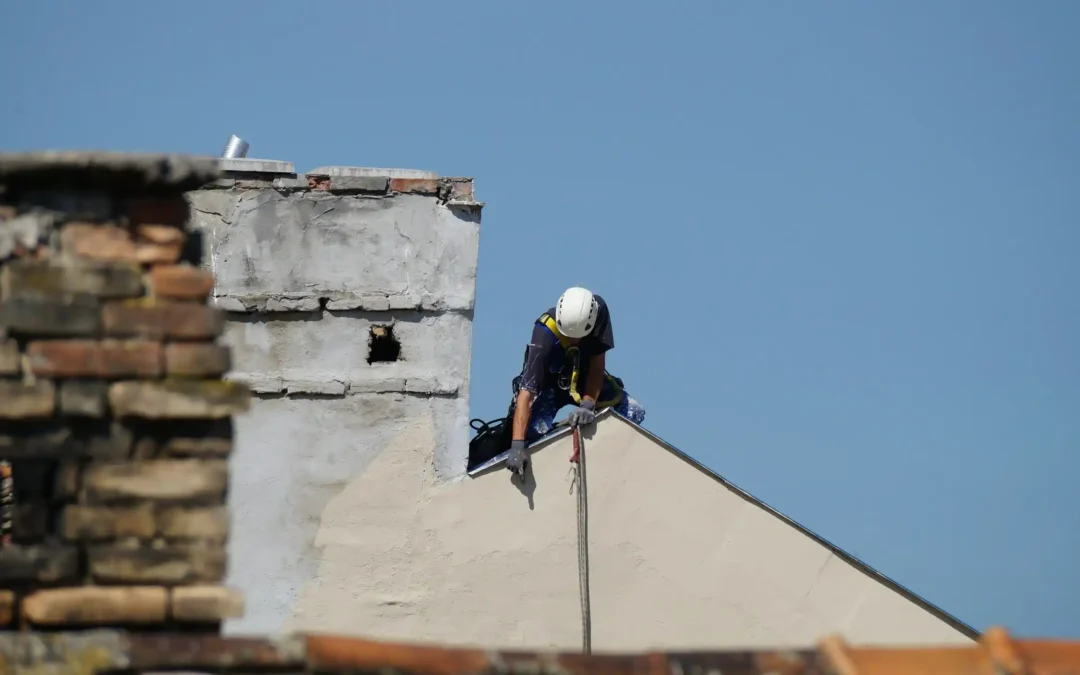
Replacing or repairing your commercial roof represents one of the most significant investments your Charleston business will make. Unlike residential roofing projects, commercial roof systems demand specialized expertise, complex coordination, and adherence to rigorous building codes. Selecting the right commercial roofing contractor will determine whether your new roof provides 15+ years of reliable protection or becomes a source of recurring problems and unexpected expenses.
At Big Bear Roofing, we’ve helped Charleston commercial property owners navigate this critical decision and secure the expert commercial roofing services their buildings deserve.
This comprehensive guide explains the essential criteria for evaluating commercial roofing contractors, helps you understand when flat roof repair makes sense versus full replacement, and provides actionable guidance for protecting your business investment through informed contractor selection.
Understanding Commercial Roofing Complexity vs. Residential Roofing
Before selecting a commercial roofing contractor, it’s important to understand why commercial roofing projects differ fundamentally from residential work. These differences directly impact contractor selection criteria and project success.
Commercial roofs typically cover much larger areas—50,000+ square feet is common for retail centers, office buildings, and industrial facilities. This scale requires specialized equipment, larger crews, and complex project coordination that differs dramatically from residential roofing. Additionally, commercial buildings often remain operational during roof replacement, requiring contractors to schedule work around tenant activities, maintain building security, and manage disruptions carefully.
Commercial roof systems also utilize different materials and designs. While residential roofs typically feature pitched designs with asphalt shingles, commercial roofs frequently employ flat designs with TPO membrane, EPDM rubber, or modified bitumen systems. Each material requires distinct installation expertise and maintenance knowledge. Contractors proficient in residential asphalt shingles may lack expertise with flat roof membrane systems—a critical distinction when selecting your contractor.
Essential Criteria for Evaluating Commercial Roofing Contractors
Verify Licensing and Insurance Documentation
The foundation of contractor evaluation begins with credential verification. Any qualified commercial roofing contractor operating in Charleston must maintain current South Carolina roofing licenses. Request copies of licenses and verify their status with the South Carolina Contractors’ Licensing Board. Never hire contractors unwilling to provide proof of licensing—this is a major red flag.
Equally critical is comprehensive insurance coverage. Legitimate commercial roofing contractors maintain general liability insurance, workers’ compensation insurance, and property damage coverage. Request certificates of insurance and verify coverage amounts are adequate—minimum $1 million general liability is standard for commercial work. Verify these policies are current and provided by reputable insurance carriers. This insurance protects your business if injuries occur during roof work or if the contractor’s actions damage your building.
Evaluate Experience with Commercial Properties
Commercial roofing expertise differs substantially from residential experience. A contractor with 20 years installing residential asphalt shingle roofs may lack the specialized knowledge required for your commercial flat roof system.
Ask specific questions about commercial experience:
- How many commercial roofs have they completed in the past five years?
- What types of roof systems do they specialize in?
- Can they provide references from commercial property managers similar to yours?
Request detailed project portfolios including photos of completed commercial work, material specifications, and client testimonials. Ask to speak directly with at least three commercial clients they’ve served recently.
When contacting references, ask about project timeline adherence, crew professionalism, problem resolution, and overall satisfaction. Additionally, inquire whether they’ve worked on projects similar to yours—a contractor experienced with industrial warehouse roofs may handle your retail center project well, but commercial property types have specific requirements.
Assess Relationships with Material Manufacturers
Top-tier commercial roofing contractors maintain strong relationships with major roofing material manufacturers including GAF, CertainTeed, Firestone, Carlisle, and others. These manufacturers provide training, certification, and ongoing support to contractor partners. Ask which manufacturers your prospective contractor works with and request proof of certification or preferred contractor status. Manufacturer certification indicates the contractor has met rigorous standards and maintains continuing education in the latest roofing technologies.
Manufacturers also stand behind their products more strongly when installation is performed by certified contractors. If problems develop after your roof installation, manufacturer warranty claims are often contingent on work being performed by certified contractors. Selecting an uncertified contractor may void significant portions of your roof warranty.
Compare Warranties and Guarantees
Warranty coverage is a critical but often overlooked factor. Reputable commercial roofing contractors offer both material warranties (provided by manufacturers) and workmanship warranties (guaranteeing the quality of installation). Evaluate these carefully:
- Material Warranty: Typically 10-20 years depending on material and manufacturer. Higher-quality materials often include extended warranties.
- Workmanship Warranty: Quality contractors offer 5-10 year workmanship guarantees covering labor and installation quality. Contractors unwilling to guarantee their work for at least 5 years should be questioned about confidence in their installation quality.
- Extended Warranties: Some contractors offer extended warranties covering both materials and labor for extended periods, providing superior long-term protection.
Request complete warranty documentation and understand exactly what is covered. Some warranties include maintenance requirements you must meet to maintain coverage validity. Ensure you understand these requirements before signing contracts.
Flat Roof Repair vs. Replacement: Making the Right Decision
Most commercial roofs in Charleston are flat roof systems using TPO, EPDM, or modified bitumen membranes. When problems develop, property owners must decide between repair and replacement. This decision significantly impacts both immediate costs and long-term building performance.
When Flat Roof Repair Is Appropriate
Roof repair makes sense when damage is localized and the overall roof system remains in good condition. Consider repairs when:
- Your roof is under 10 years old: Newer roofs damaged by isolated incidents (punctures, flashing failure) respond well to targeted repairs
- Damage is minor and localized: Small leaks, limited membrane damage, or isolated flashing problems can be repaired cost-effectively
- The roof membrane is otherwise intact: If the majority of your roof surface remains in good condition, repair focuses on problem areas while preserving the functioning system
- Repair costs are significantly lower than replacement: If quality repairs cost 30-40% of replacement costs, repair extends roof life while preserving your capital budget
When Flat Roof Replacement Is Necessary
Full roof replacement becomes the sensible choice when:
- Your roof is 15+ years old: Roofs approaching the end of their service life frequently experience multiple concurrent problems. Replacement provides 15-20 more years of protection versus repairs providing only months.
- You experience persistent recurring leaks: Multiple repairs for the same problem indicate systemic membrane deterioration or structural issues requiring full replacement
- Widespread damage affects significant roof areas: When 20%+ of your roof surface shows damage, replacement proves more cost-effective than multiple repairs
- Energy efficiency is a concern: Modern roofing materials including cool roofs with reflective coatings dramatically reduce energy costs. If energy efficiency matters, replacement provides these benefits
- Structural sagging or membrane buckling is evident: These problems indicate the roof deck or underlying structure needs professional attention, typically requiring full replacement to address properly
- The replacement cost is only 10-15% more than repair: When repair and replacement costs are close, replacement provides superior long-term value through extended warranty coverage and system integrity
Key Questions to Ask Commercial Roofing Contractors
When evaluating contractors for your commercial roof project, ask these critical questions:
- How many commercial roofs have you completed in Charleston in the past three years?
- What roofing materials do you specialize in? Are you certified with the manufacturers?
- Can you provide three references from recent commercial projects similar to mine?
- What is your project timeline and how do you minimize disruption to building operations?
- What warranty do you offer on materials and workmanship?
- How do you handle unexpected problems discovered during roof work?
- What insurance coverage do you carry and can you provide proof?
- How do you manage weather delays and scheduling changes?
- Will you provide a detailed written estimate including materials, labor, timeline, and warranty coverage?
- Do you offer maintenance services after installation?
Quality contractors answer these questions comprehensively and provide documentation supporting their responses. Contractors vague or evasive about important details should be questioned carefully or eliminated from consideration.
Understanding Commercial Roofing Costs and Budgeting
Commercial roofing costs vary based on material selection, roof size, accessibility, existing conditions, and whether structural repairs are necessary. For flat roof projects in Charleston, budgeting typically falls in these ranges:
- TPO Membrane Systems: $4-$8 per square foot installed
- EPDM Rubber Membrane: $4-$7 per square foot installed
- Modified Bitumen Systems: $3-$6 per square foot installed
- Cool Roof Coatings: $2-$4 per square foot
These costs include material and labor. Additional charges apply for roof deck repairs, structural reinforcement, installation of new flashing and vents, and disposal of old roofing material. Request detailed, itemized estimates from all contractors and understand exactly what is included. The lowest bid may exclude necessary components that higher bids include.
Protecting Your Business Investment
Selecting your commercial roofing contractor represents a strategic business decision with long-term consequences. Invest time in thorough evaluation, prioritize licensed and insured contractors with proven commercial experience, and verify warranty coverage carefully. Your roof protects your most valuable asset—quality installation and expert contractor partnership ensure this protection lasts for decades.
At Big Bear Roofing, we specialize in commercial roof replacement throughout Charleston and the Lowcountry. Our GAF Master Elite Certified team brings years of commercial expertise, comprehensive insurance coverage, manufacturer certifications, and industry-leading warranty protection to every project.
Contact Big Bear Roofing today for a detailed commercial roof assessment and expert guidance on whether repair or replacement best serves your building. We’ll evaluate your roof condition, explain your options clearly, and provide a comprehensive estimate with transparent pricing and timeline.